


Finding Peace in the Present: A Journey to Inner Tranquility
We live in a world that moves at an unprecedented pace. The constant barrage of information, responsibilities, and expectations can often leave us feeling overwhelmed and disconnected from ourselves. Yet, amidst the chaos, there are moments of pure tranquility where we find ourselves fully present, at peace, and in a state of well-being. These moments are rare but profoundly impactful. Reflecting on such a moment in my life, I was reminded of the importance of peace and the power of therapy in achieving and maintaining this state. I invite you to look back at your own moments of peace, reflect on how long it has been since you experienced them, and consider the significance of achieving tranquility in all aspects of your life.
It was a serene afternoon, the kind where the world seems to pause for a breath. I found myself at the edge of a tranquil lake, surrounded by nature’s gentle symphony. The sun was setting, casting a golden hue over the water’s surface, and a soft breeze rustled through the leaves. As I sat there, watching the ripples on the water, a profound sense of peace washed over me. I was fully present, completely in tune with my surroundings and my inner self.
In that moment, I was free from the burdens of the past and the anxieties of the future. There was no to-do list, no emails to respond to, no pressing concerns. It was just me, the lake, and the present moment. I felt a deep sense of equilibrium, a balance between mind, body, and spirit. It was a feeling of complete well-being, a rare and precious state that I hadn’t experienced in a long time.
When was the last time you experienced such a moment of peace? Can you recall a time when you were fully present, free from worries, and at one with yourself? These moments are not just fleeting experiences; they are essential for our mental and emotional health. They remind us of the importance of living in the present and being mindful of our well-being.
Take a moment to reflect on your own experiences. Close your eyes and think back to a time when you felt completely at peace. What were you doing? Where were you? How did you feel? Allow yourself to relive that moment, even if just for a few minutes. If you haven’t experienced such a moment recently, or ever, it’s a sign that you might need to make some changes in your life to find your path to peace.
Peace and tranquility are not just luxuries; they are necessities for a healthy and fulfilling life. Being at peace means being in a state of harmony with yourself and your surroundings. It allows you to think clearly, make better decisions, and enjoy life more fully. Tranquility helps reduce stress, anxiety, and negative emotions, fostering a positive outlook and emotional resilience.
Living in a constant state of stress and turmoil can have severe consequences for your mental and physical health. Chronic stress can lead to anxiety, depression, and a host of physical ailments such as heart disease, high blood pressure, and a weakened immune system. On the other hand, moments of peace and tranquility can rejuvenate your mind and body, helping you recharge and face life’s challenges with a clear and focused mind.
Achieving and maintaining a state of peace and tranquility often requires more than just occasional moments of calm. It involves a deeper understanding of oneself, addressing underlying issues, and making intentional changes in one’s life. This is where therapy can play a crucial role.
Therapy provides a safe and supportive environment for exploring your thoughts, feelings, and behaviors. It helps you understand the root causes of your stress, anxiety, and other emotional challenges. Through therapy, you can learn coping strategies, develop healthier habits, and work through past traumas that may be hindering your ability to find peace.
One of the most significant benefits of therapy is gaining self-awareness. Understanding why you think and feel the way you do is the first step toward making positive changes. A therapist can help you identify patterns of behavior that contribute to your stress and anxiety, and work with you to develop new ways of thinking and acting that promote well-being.
There are many barriers that can prevent us from achieving inner peace. These include unresolved conflicts, negative self-talk, unhealthy relationships, and unrealistic expectations. Therapy can help you identify and address these barriers, empowering you to take control of your life and create a more peaceful and fulfilling existence.
For example, unresolved conflicts, whether with others or within yourself, can create ongoing stress and anxiety. Therapy can help you process these conflicts, find resolution, and move forward. Negative self-talk can be a significant barrier to peace, as it perpetuates feelings of inadequacy and self-doubt. A therapist can help you challenge and change these negative thought patterns, fostering a more positive and compassionate view of yourself.
Unhealthy relationships, whether with family, friends, or romantic partners, can also be a significant source of stress. Therapy can help you navigate these relationships, set healthy boundaries, and improve communication. Unrealistic expectations, whether imposed by yourself or others, can lead to constant pressure and a sense of failure. Through therapy, you can learn to set realistic and achievable goals, reducing stress and increasing your sense of accomplishment.
Practical Steps to Achieving Inner Peace
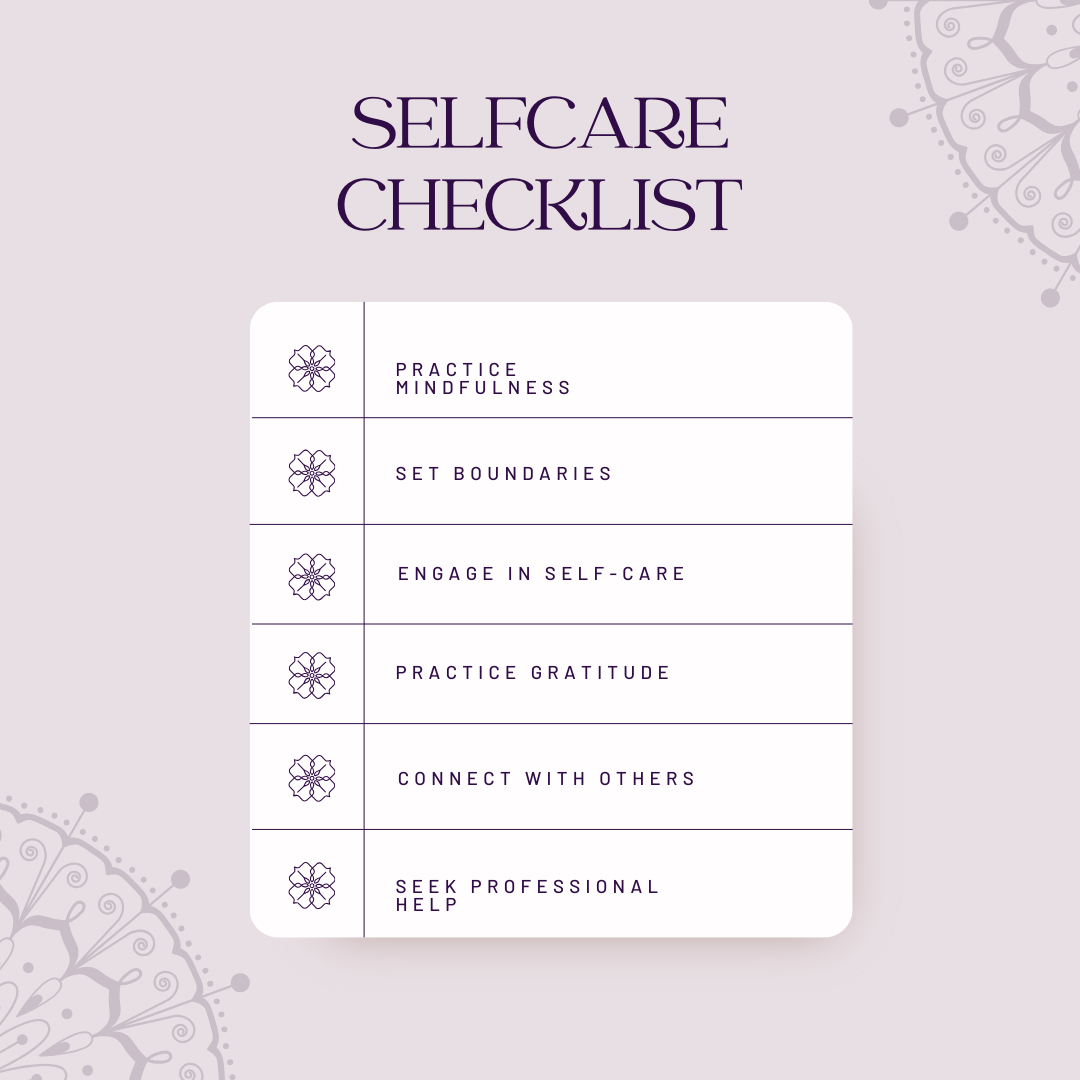
While therapy is an invaluable tool for achieving inner peace, there are also practical steps you can take in your daily life to cultivate tranquility and well-being. Here are some strategies to consider:
- Practice Mindfulness: Mindfulness involves being fully present in the moment, without judgment. It can help you stay grounded and reduce stress. Try incorporating mindfulness practices into your daily routine, such as meditation, deep breathing exercises, or mindful walking.
- Set Boundaries: Establishing clear boundaries is essential for protecting your mental and emotional well-being. Learn to say no to things that drain your energy or cause unnecessary stress. Prioritize your needs and make time for activities that bring you joy and relaxation.
- Engage in Self-Care: Taking care of yourself is crucial for maintaining inner peace. Make self-care a priority by engaging in activities that nourish your body, mind, and spirit. This could include exercise, healthy eating, getting enough sleep, spending time in nature, or pursuing hobbies and interests.
- Practice Gratitude: Focusing on the positive aspects of your life can help shift your perspective and reduce stress. Make it a habit to express gratitude daily, whether through journaling, sharing with a friend, or simply reflecting on the things you are thankful for.
- Connect with Others: Building and maintaining healthy relationships is vital for emotional well-being. Make time for meaningful connections with family, friends, and community. Surround yourself with supportive and positive people who uplift and inspire you.
- Seek Professional Help: If you are struggling to find peace and tranquility on your own, don’t hesitate to seek professional help. A therapist can provide guidance, support, and tools to help you navigate life’s challenges and achieve a state of well-being.
Finding moments of peace and tranquility in our fast-paced world is essential for our mental, emotional, and physical well-being. Reflecting on a moment when I was fully present and at peace reminded me of the importance of living mindfully and intentionally. I encourage you to look back at your own moments of peace and consider how you can cultivate more of them in your life.
Therapy plays a crucial role in helping us understand and overcome the issues that prevent us from achieving inner peace. By addressing underlying conflicts, changing negative thought patterns, and setting healthy boundaries, therapy can empower us to create a more balanced and fulfilling life.
Remember, peace and tranquility are not just fleeting moments; they are a way of life. By making intentional changes and seeking support when needed, you can find your path to inner peace and well-being. Take the first step today and embark on your journey to a more peaceful and fulfilling life.